
Imagine becoming king at the age of twelve.
Your father is dead. Your grandfather, one of the greatest kings in Korean history, is also gone. Around you are powerful officials, ambitious relatives, and a royal court where everyone seems to know more about politics than you do.
And among those relatives is your uncle.
A man who wants your throne.
This was the world of King Danjong of Joseon, one of the youngest and most tragic kings in Korean history.
His reign lasted only a few years. But his story did not end when he lost the throne.
In many ways, that was only the beginning.
A Boy Born Into Korea’s Most Powerful Family
Danjong was born in 1441 as the grandson of King Sejong the Great.
Even if you know very little about Korean history, you may have heard of Sejong. He is the king most closely associated with the creation of Hangul, the Korean alphabet, and remains one of the most respected figures in Korea today.
Danjong’s father, King Munjong, succeeded Sejong in 1450.
But Munjong was already in poor health.
Only two years after becoming king, he died.
The crown passed to his young son.
In 1452, at just twelve years old, Danjong became the sixth king of Joseon.
On paper, he ruled a kingdom.
In reality, he was a child surrounded by some of the most powerful men in Korea.
And one of them was his uncle, Grand Prince Suyang.
The Uncle Who Wanted the Throne
Suyang was very different from his young nephew.
He was experienced, politically ambitious, and surrounded by supporters. With a child sitting on the throne, a struggle for power inside the royal court was almost inevitable.
In 1453, Suyang made his move.
In an event known as the Gyeyu Coup, he eliminated key officials who had supported Danjong and took control of the government.
Danjong was still technically king.
But the balance of power had changed.
Two years later, in 1455, Danjong gave up the throne.
His uncle became King Sejo, the seventh king of Joseon.
Danjong was only fifteen.
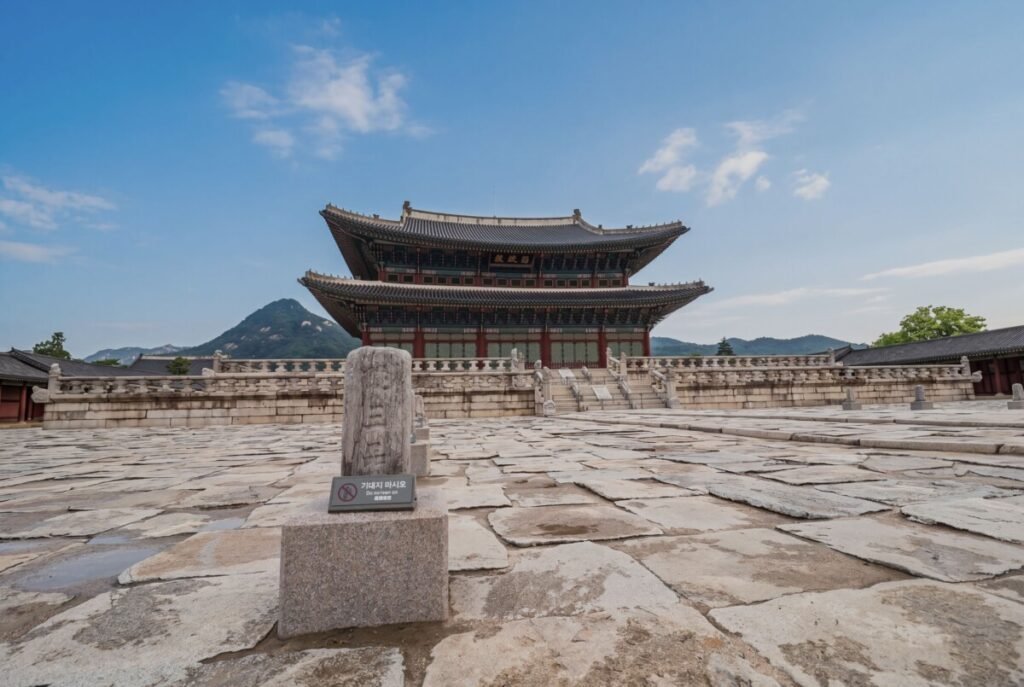
It is easy to summarize this as a political event: one king lost power and another became king.
But think about what it meant for Danjong.
Within a few years, he had lost his father, inherited a kingdom as a child, watched his supporters disappear, and finally lost his throne to his own uncle.
And things were about to get worse.
The Attempt to Bring Danjong Back
Not everyone accepted Sejo as the rightful king.
Several officials remained loyal to Danjong and secretly planned to restore him to the throne.
The plot failed.
The men involved were executed and later became remembered as the Six Martyred Ministers, celebrated for their loyalty to Danjong.
For the former king, the consequences were devastating.
As long as Danjong was alive, he could become a symbol for opposition to Sejo.
So he was sent far away from the royal court.
His destination was Yeongwol, a mountainous region in what is now Gangwon Province.
More specifically, he was exiled to a place called Cheongnyeongpo.
Exile in Yeongwol
This is the part of Danjong’s story that becomes especially powerful when you visit Korea today.
Cheongnyeongpo still exists.
The area is surrounded by water on three sides and mountains on the other, creating a natural prison. Even without walls, escape would have been extremely difficult.
Standing there today, it is not difficult to imagine how isolated the young former king must have felt.
He had once lived inside royal palaces in Seoul.
Now he was surrounded by mountains and water, far from the capital and almost completely powerless.
He was still only a teenager.
But even exile was not enough to guarantee his survival.
The Death of a Seventeen-Year-Old King
In 1457, another attempt to restore Danjong became a political threat to Sejo’s rule.
Soon afterward, Danjong died in Yeongwol at only seventeen years old.
Historical accounts surrounding the exact circumstances contain complexities, but the political reality is clear: the former king could not safely exist while supporters continued to see him as the legitimate ruler.
King Danjong’s short life was over, but his story was not forgotten.
Yet something unusual happened after his death.
Danjong was not forgotten.
Stories of his tragedy and of the officials who remained loyal to him continued for generations.
More than two centuries later, in 1698, King Sukjong officially restored Danjong’s royal title.
The boy who had lost his throne was once again recognized as a king of Joseon.
A King You Can Still Follow Through Korea
Today, King Danjong is buried at Jahttps://whc.unesco.org/en/list/1319ngneung Royal Tomb in Yeongwol.
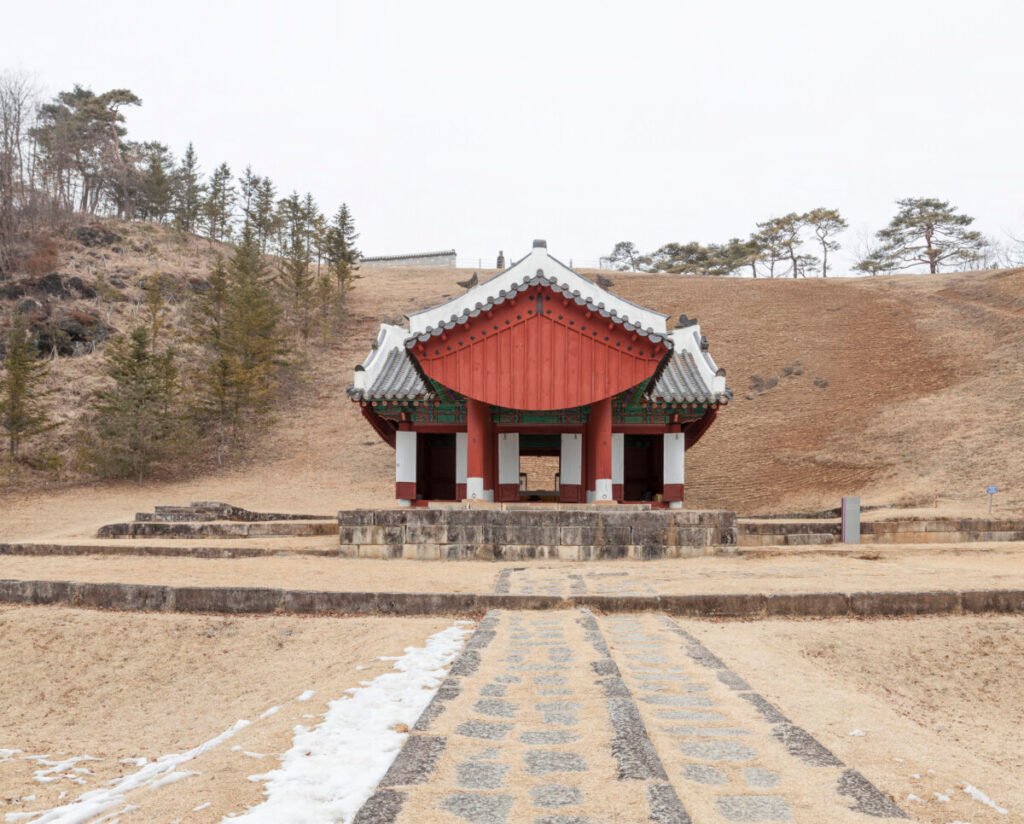
Unlike most Joseon royal tombs, which are located around Seoul and Gyeonggi Province, his tomb lies far from the old capital.
It is a physical reminder of where his life ended.
And that is what makes Danjong’s story particularly interesting to me.
Korean history does not exist only in textbooks.
You can visit the places where these events happened.
You can walk through Cheongnyeongpo, see the landscape that surrounded Danjong during his exile, and visit the royal tomb where he rests today.
Once you know his story, Yeongwol becomes more than a quiet town in the Korean mountains.
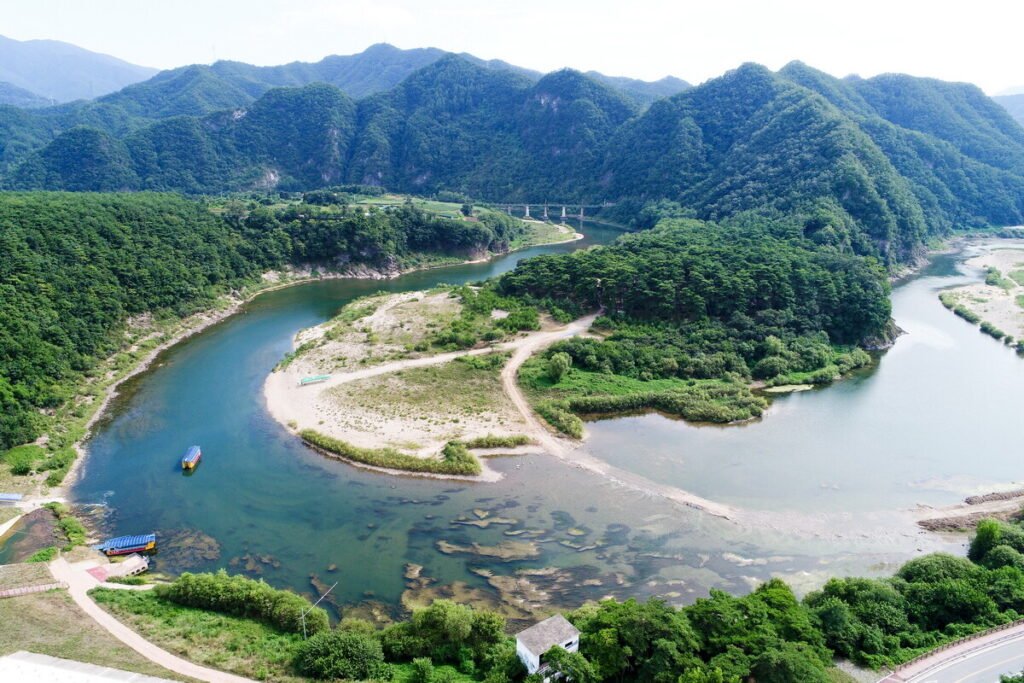
The landscape starts to tell you something.
And perhaps that is one of the best ways to experience history while traveling in Korea: learn the story first, and then go see where it happened.
Next: [KOREA] Yeongwol: Following the Final Journey of King Danjong
Once the Yeongwol travel article is published, link it here.