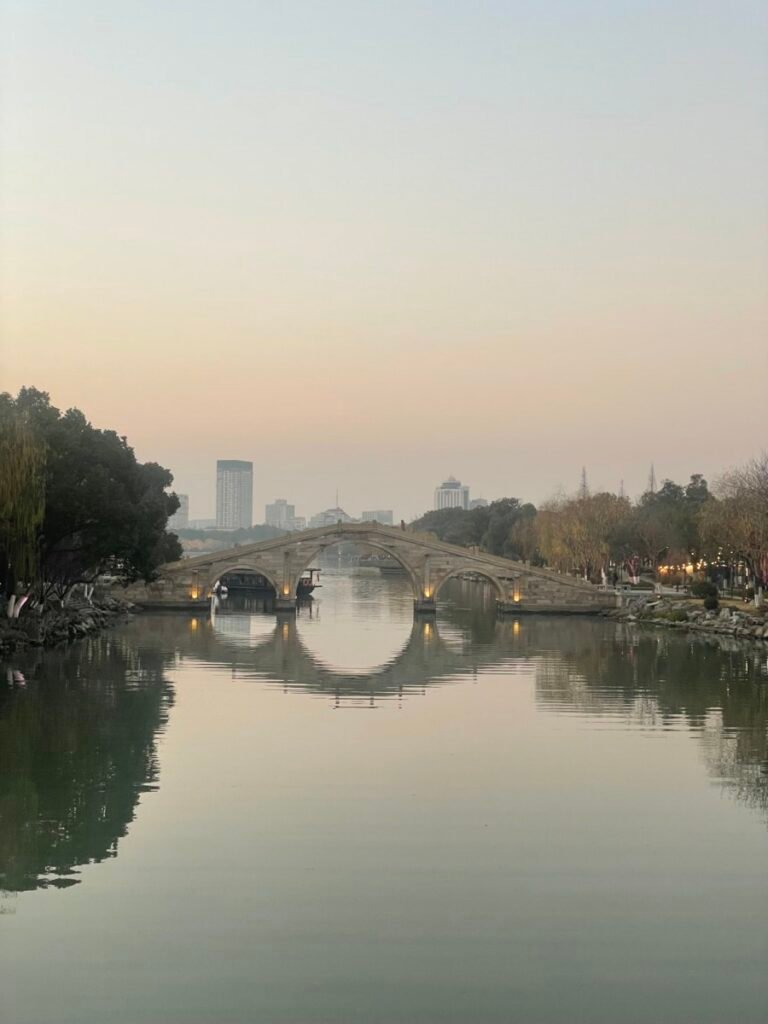
Sometimes you don’t need a full vacation to experience a city.
My short trip to Shanghai happened almost by accident. I was in China for a business trip, and before flying back to Korea, I had a little time left to explore the city.
I was in China for a business trip, and before flying back to Korea, I had a little time left to explore Shanghai. I wrote about the business side of that trip in my previous post about traveling to China for work. (JIAXING)
It wasn’t enough time for a carefully planned itinerary. Instead, I decided to visit a few places that had been on my mind: the former site of the Provisional Government of the Republic of Korea, Yuyuan Garden, and the Bund.
What surprised me was how different each stop felt.
Within just a few hours, I went from a place connected to modern Korean history to a traditional Chinese garden, and finally to one of the most futuristic skylines in Asia.
If you only have a short time in Shanghai, this is the kind of route that can still give you a surprisingly good sense of the city.
Starting With Korean History in Shanghai
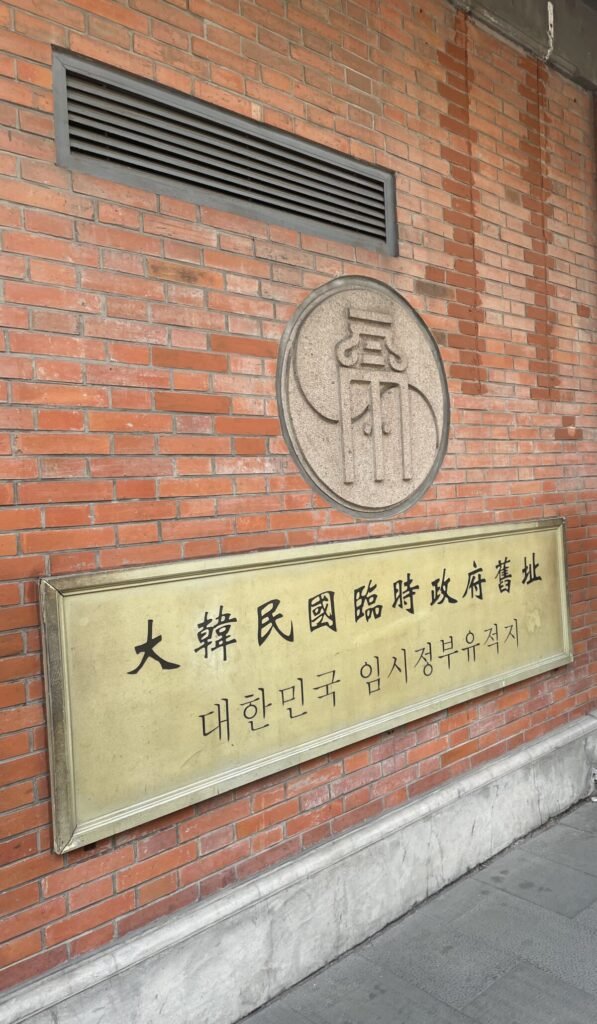
My first stop had a special meaning as a Korean.
The Provisional Government of the Republic of Korea was established in Shanghai in 1919 during Korea’s independence movement against Japanese colonial rule.
Today, its former site remains in Shanghai.
Seeing the words “대한민국 임시정부 유적지” — Former Site of the Provisional Government of the Republic of Korea — on a wall in the middle of a Chinese city felt a little strange in a good way.
I had learned about the Provisional Government countless times in Korean history classes.
But history feels different when you actually stand in the place where part of it happened.
For Korean travelers, Shanghai isn’t simply a city of skyscrapers, shopping, and xiaolongbao. There is also a part of Korean modern history here.
That made this a natural first stop for me.
From Korean History to Old Shanghai
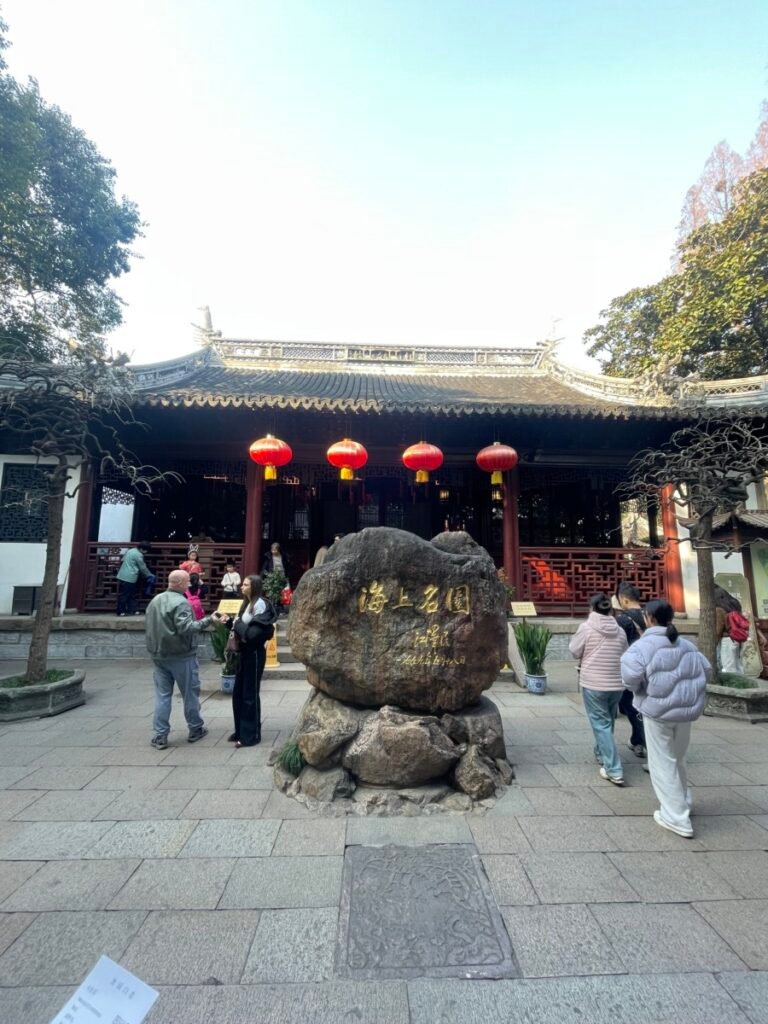
From there, I headed toward Yuyuan Garden, one of Shanghai’s best-known historical attractions.
Yuyuan was originally created as a private garden during the Ming Dynasty. Today, the surrounding area combines the classical garden, traditional architecture, shops, food, and the nearby City God Temple.
Coming here after seeing the Provisional Government site created an interesting transition.
One represented a turbulent chapter of 20th-century Korean history.
The other took me much further back into traditional Chinese aesthetics.
And despite being in the middle of one of the world’s largest cities, the atmosphere changed surprisingly quickly.
The Part of Yuyuan Garden I Remember Most
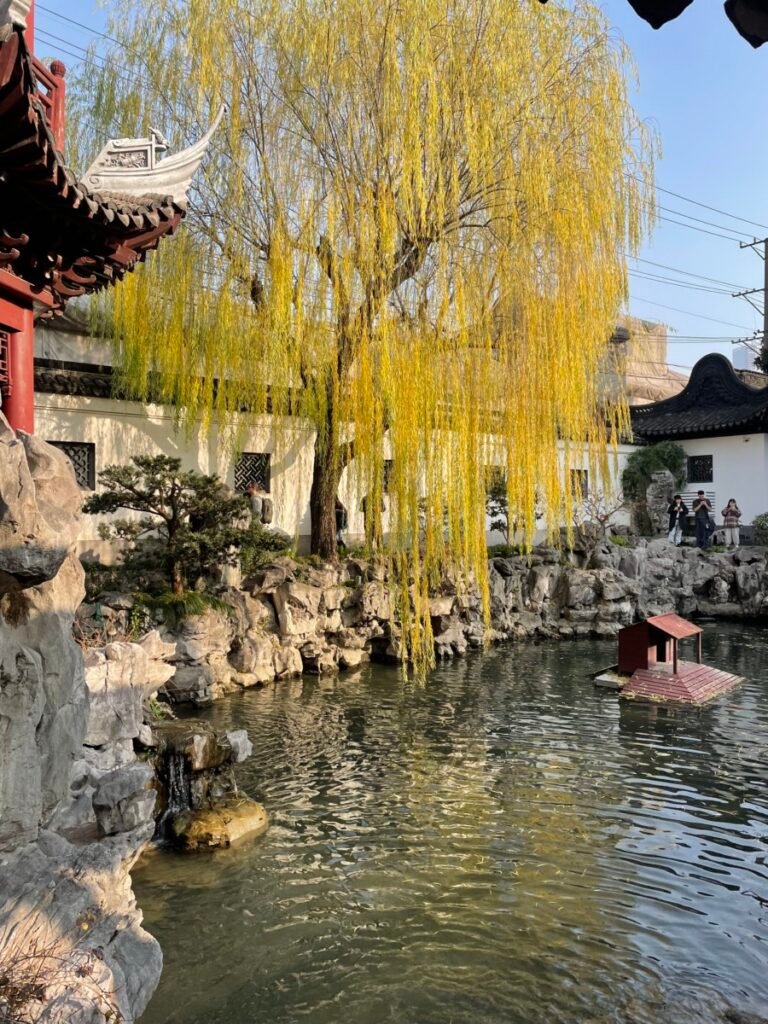
This was probably my favorite view.
Traditional roofs, rocks, water, white walls, and a huge willow tree hanging over the pond.
Shanghai’s official tourism information describes Yuyuan as a traditional Chinese garden known for its pavilions, rock formations and ponds, with its origins in the Ming Dynasty.
But standing there, the historical explanation wasn’t really what I was thinking about.
It was simply peaceful.
Outside the garden, Shanghai is enormous, crowded and fast.
Inside, everything suddenly feels much slower.
I think that’s what made the contrast memorable.
And Then Shanghai Completely Changed Again
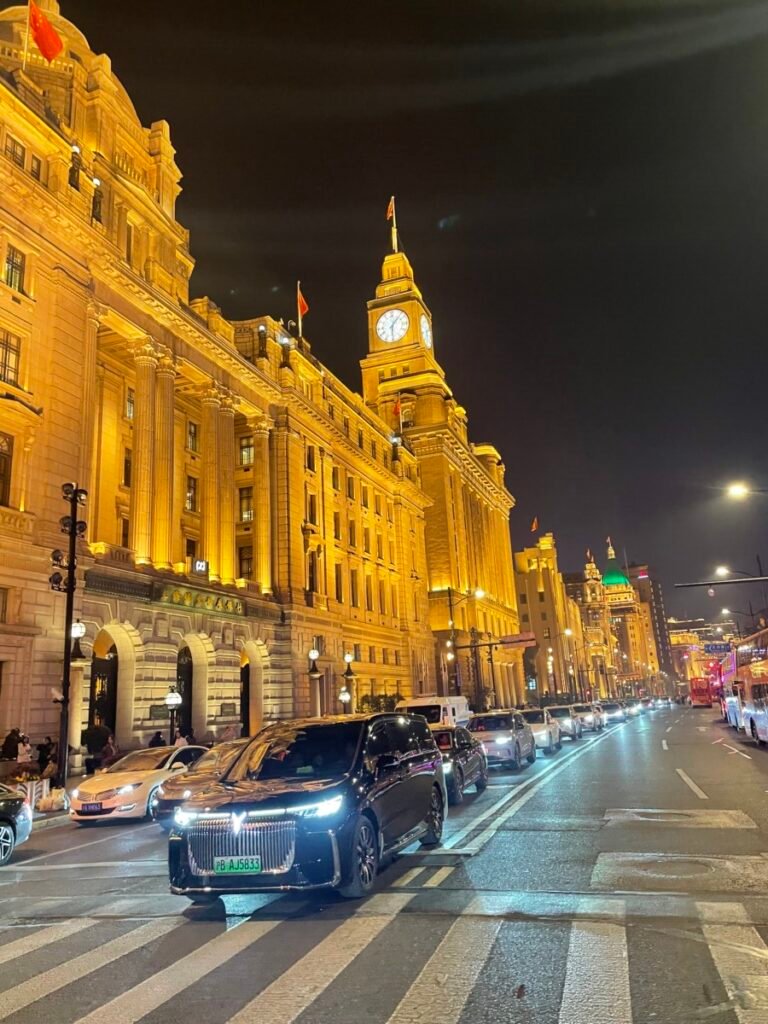
Later, I headed toward the Bund.
And once again, Shanghai looked like a completely different city.
The Bund is famous for its historic waterfront architecture, with buildings reflecting a mixture of architectural styles from Shanghai’s international past. Shanghai’s official tourism materials describe the waterfront as one of the city’s signature landmarks.
At night, these buildings are illuminated in warm golden light.
If Yuyuan Garden feels like a glimpse of traditional China, the Bund feels like a reminder of Shanghai’s complicated modern history and its development as an international city.
And then you turn around.
The View Across the Huangpu River
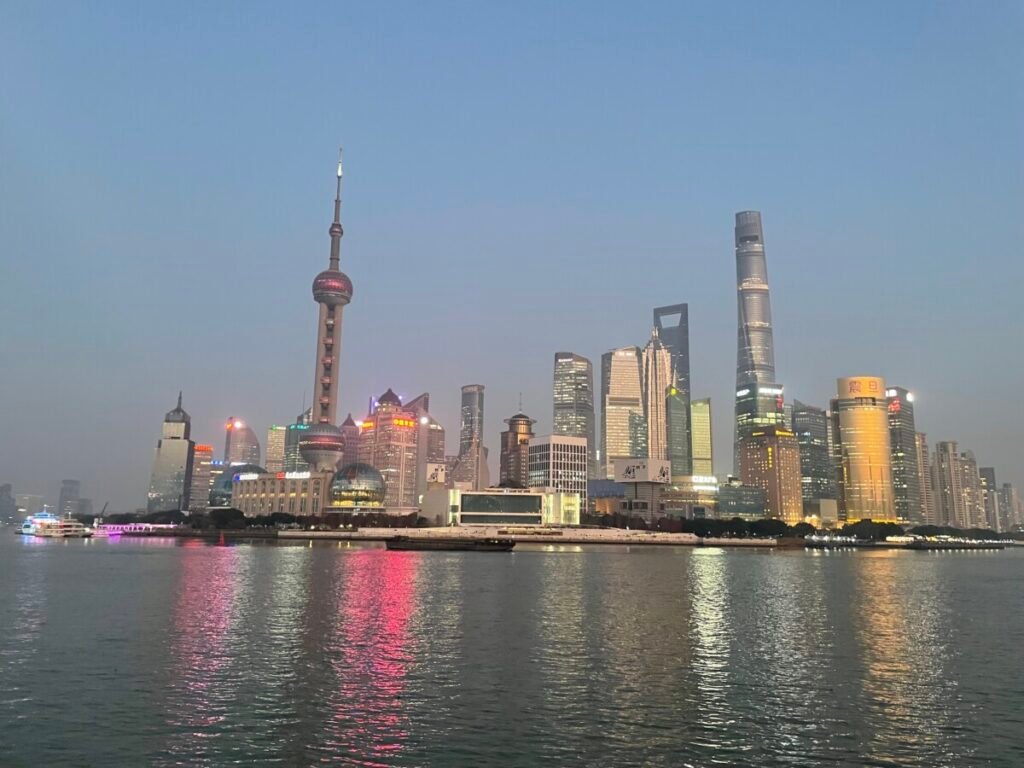
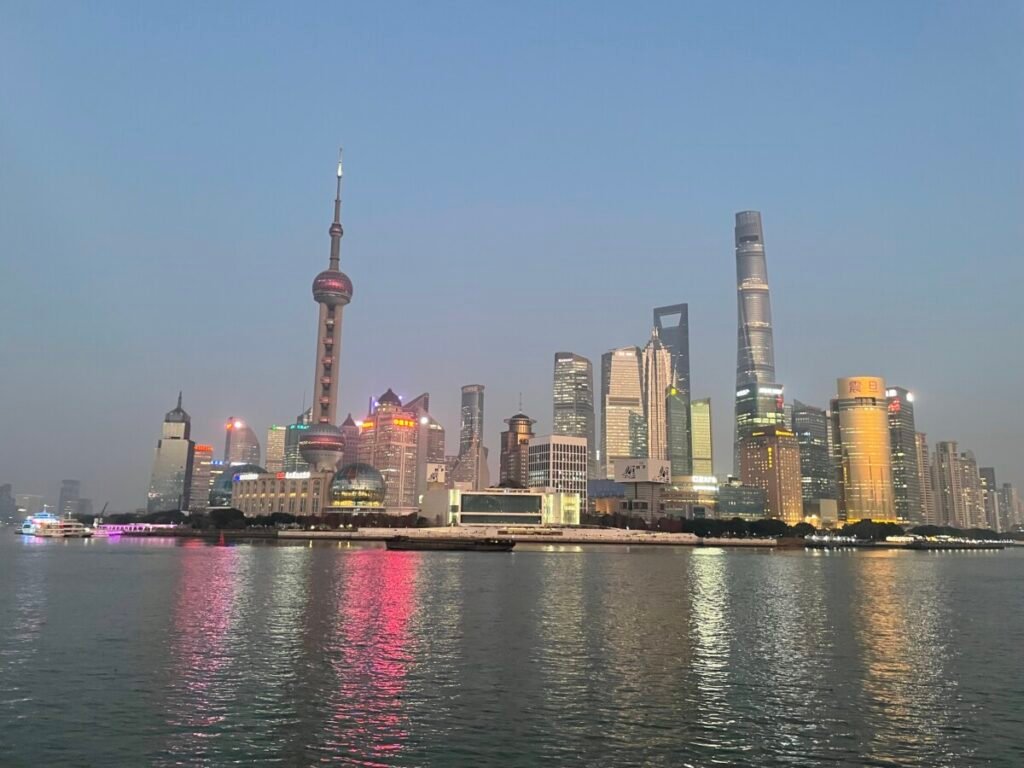
This is probably the image most people imagine when they think of Shanghai.
Across the Huangpu River is Pudong and the Lujiazui skyline, including the Oriental Pearl Tower, Shanghai World Financial Center, Jin Mao Tower and Shanghai Tower.
The difference between the two sides of the river is striking.
Behind you are the historic buildings of the Bund.
In front of you is this.
Glass towers, lights and one of the most recognizable skylines in Asia.
It almost feels like Shanghai is deliberately showing you two different versions of itself at the same time.
One Last Unexpected Stop
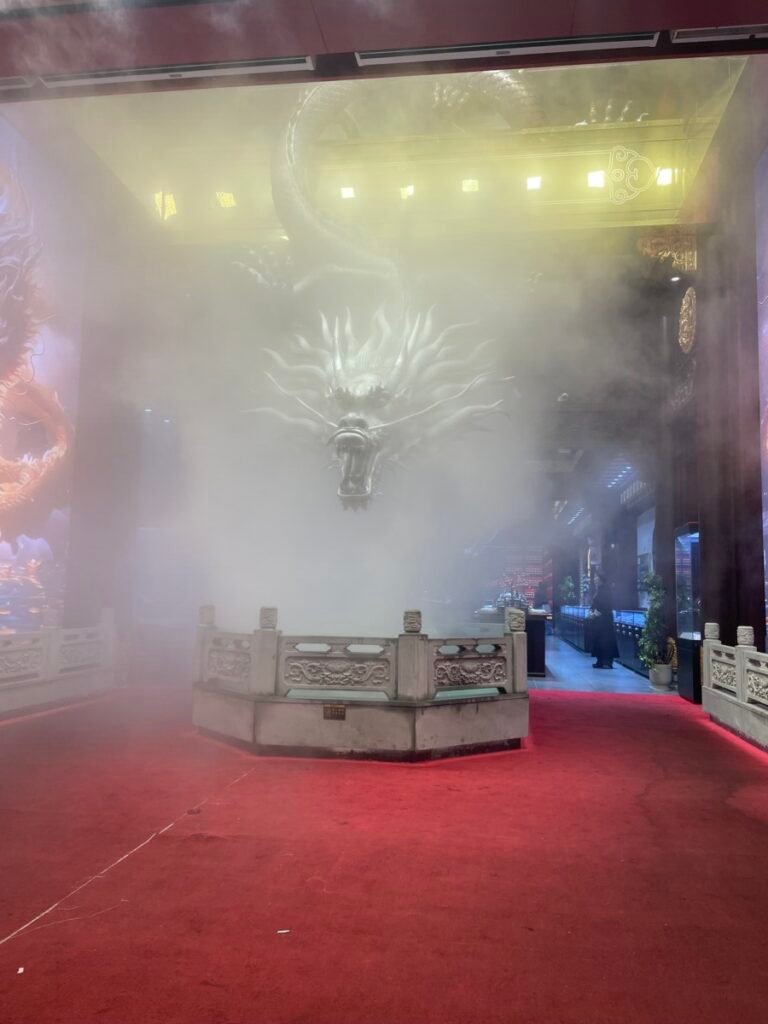
I also came across this dramatic dragon installation surrounded by smoke.
It wasn’t something I had planned to see, but that was part of what I liked about walking around Shanghai without a strict itinerary.
Sometimes the things you remember from a trip aren’t necessarily the famous landmarks you searched for beforehand.
They’re the things you simply run into along the way.
Is a Short Trip to Shanghai Worth It?
Definitely.
Obviously, a few hours isn’t enough to properly experience Shanghai.
But if you’re passing through the city for work, a layover, or have some time before your flight, I wouldn’t automatically spend those hours at the hotel or airport.
What I liked about this short trip was how much variety I could see in a relatively limited amount of time.
For me, the route went something like this:
Korean modern history → traditional Chinese culture → colonial-era Shanghai architecture → futuristic Pudong skyline.
That’s a lot of history and change packed into one afternoon and evening.
And maybe that’s what makes Shanghai interesting.
It isn’t just an old city or a modern city.
It’s both — often within walking distance of each other.
I came to China for work.
For a short trip to Shanghai, I was surprised by how much I could see in just a few hours.
But those few hours before flying home ended up becoming one of the parts of the trip I remember most.